121 S. Wilke Road, Suite 301, Arlington Heights, IL 60005
Home and Hospital Visits for Your Convenience

FREE Phone & Video Consultations
Home and Hospital Visits for Your Convenience
Call for a FREE Phone Consultation
847-797-8000
Video Consultations Also Available
 Spanish
 Cantonese

- Home
- About Us
- Attorneys
- Practice Areas
- Personal Injury
- Bike Accidents
- Bus, School Bus, and Pace Accidents
- Car Accidents
- Boating, Watercraft and Jet Ski
- Catastrophic Injuries
- Defective Products
- Defective Medical Devices and Treatments
- Defective Drugs and Pharmaceuticals
- Dog Bites and Animal Attacks
- Food Poisoning
- Elder Abuse
- Motorcycle Accidents
- Nursing Home Abuse and Neglect
- Pedestrian Accidents
- Pothole Injuries
- Premises Liability
- Ridesharing, Uber and Lyft Accidents
- Sexual Abuse and Assault
- Train and Metra Accidents
- Truck Accidents
- Work Injuries
- Wrongful Death
- Medical Malpractice
- Workers’ Compensation
- Toxic Torts/Mass Torts
- Visit Our Foreclosure Website
- Referrals
- Personal Injury
- Case Results
- Media
- Blog
- Contact
Serving Clients Across 8 Illinois Locations
Can Cosmetic Surgery Qualify for a Medical Malpractice Claim?
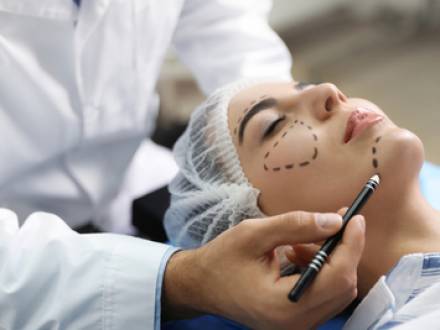 Cosmetic surgeries may be elective, but injuries caused by negligent cosmetic care can still support a medical malpractice claim. Surgeons performing elective procedures are held to the same standard of care as any other physician. If the surgeon’s failure causes an injury, the patient may have grounds for a medical malpractice claim.
If you or someone you love suffered serious harm after a cosmetic procedure in 2026, a Rolling Meadows, IL medical malpractice lawyer can help you determine whether you have a malpractice case.
Are Cosmetic Surgeons Held to the Same Standard as Other Surgeons in Illinois?
The elective nature of cosmetic surgery does not lower the legal standard of care. Patients are reliant on their providers to see them safely through the operation. This remains true whether the procedure is medically necessary or elective.
Illinois’ definition of adequate care is what a reasonably competent physician with similar training and experience would have done under the same circumstances. In practice, this means that cosmetic surgeons can be liable for similar kinds of errors as in other surgical settings.
What Types of Mistakes Can Lead to a Cosmetic Surgery Malpractice Claim in Illinois?
Cosmetic surgery malpractice takes many forms. Common situations that may support a claim include:
- Nerve damage caused by a surgical error rather than an accepted risk of the procedure
- Failure to monitor or treat a patient after surgery, resulting in an infection or another preventable complication
- Performing surgery in a facility that lacks required accreditation or cannot safely handle the procedure
- Conducting a surgery for which the surgeon lacks proper training or credentials
- Asymmetrical or disfiguring outcomes from a technical error rather than an accepted risk of the procedure
- Failure to recognize a contraindication that a careful pre-surgical evaluation would have caught
In extreme cases, complications may be fatal. In 2024, CBS News reported that a Cook County jury awarded $56 million to the family of a woman who died from internal bleeding after liposuction and a tummy tuck. With post-judgment interest, the court entered a judgment of more than $66 million.
How Does Informed Consent Factor Into Cosmetic Surgery Malpractice?
A failure to obtain informed consent may provide a separate basis for a malpractice claim. Before an elective procedure, a surgeon must provide the information needed for the patient to make an informed decision, including material risks and available alternatives.
Patients who undergo cosmetic procedures have typically not had a diagnosis that made surgery medically necessary. They chose to have the procedure based on information the surgeon provided. If the surgeon failed to disclose a material risk and that risk caused the patient’s injury, the patient may have an informed-consent claim. The patient generally must also show that a reasonable person in the same position would have declined the procedure if properly informed.
What Do You Need to Show for a Cosmetic Surgery Malpractice Claim in Illinois?
To support a malpractice claim, a patient must show that a doctor-patient relationship existed. They must demonstrate that the surgeon breached the standard of care and that the breach caused the patient’s injury. Finally, the patient must show that the injury caused damages, such as additional medical costs, lost income, pain, or disability.
What Are the Steps for Filing a Malpractice Claim in Illinois?
In most Illinois medical malpractice cases, the plaintiff’s attorney must file an affidavit stating that the attorney consulted a qualified health professional who found a reasonable and meritorious basis for the lawsuit. A written report from that health professional must generally be attached to the affidavit (735 ILCS 5/2-622).
Illinois imposes a two-year statute of limitations on medical malpractice claims. The two years start from when the patient knew or should have known the injury was related to the care they received. Illinois also generally imposes a four-year statute of repose running from the date of the negligent act or omission. Limited exceptions may apply, including different rules for minors and cases involving fraudulent concealment.
Call a Palatine, IL Medical Malpractice Lawyer Today
Cosmetic surgery must meet the standard of care that applies to reasonably qualified providers performing similar procedures. These errors can cause serious and lasting harm, and injured patients may have the right to seek compensation.
Newland & Newland, LLP is made up of local attorneys with many decades of combined experience and a track record of millions of dollars in successful verdicts for injury victims. Call 847-797-8000 today for a free consultation with our Rolling Meadows, IL personal injury attorneys.













Contact Our Firm
 The use of the Internet or this form for communication with the firm or any individual member of the firm does not establish an attorney-client relationship. Confidential or time-sensitive information should not be sent through this form.
I have read and understand the Disclaimer and Privacy Policy.