121 S. Wilke Road, Suite 301, Arlington Heights, IL 60005
Home and Hospital Visits for Your Convenience

FREE Phone & Video Consultations
Home and Hospital Visits for Your Convenience
Call for a FREE Phone Consultation
847-797-8000
Video Consultations Also Available
 Spanish
 Cantonese

- Home
- About Us
- Attorneys
- Practice Areas
- Personal Injury
- Bike Accidents
- Bus, School Bus, and Pace Accidents
- Car Accidents
- Boating, Watercraft and Jet Ski
- Catastrophic Injuries
- Defective Products
- Defective Medical Devices and Treatments
- Defective Drugs and Pharmaceuticals
- Dog Bites and Animal Attacks
- Food Poisoning
- Elder Abuse
- Motorcycle Accidents
- Nursing Home Abuse and Neglect
- Pedestrian Accidents
- Pothole Injuries
- Premises Liability
- Ridesharing, Uber and Lyft Accidents
- Sexual Abuse and Assault
- Train and Metra Accidents
- Truck Accidents
- Work Injuries
- Wrongful Death
- Medical Malpractice
- Workers’ Compensation
- Toxic Torts/Mass Torts
- Visit Our Foreclosure Website
- Referrals
- Personal Injury
- Case Results
- Media
- Blog
- Contact
Serving Clients Across 8 Illinois Locations
Recent Blog Posts
Who Is Liable for Injuries in a Multi-Car Accident in Illinois?
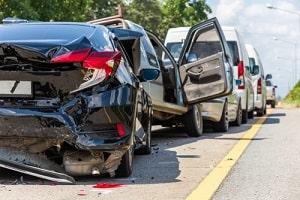
Even when motorists practice safe driving techniques, crashes are a fact of life. Winter weather conditions can sometimes cause a chain reaction if cars start to slide on icy roadways and cannot stop. In other scenarios, speeding or distracted driving may lead to a collision. While many auto accidents involve just one or two vehicles, multiple-vehicle car accidents do occur. In these instances, it can be difficult to determine who is truly at fault for the crash, which can complicate the recovery process for the victims. Thankfully, injured parties can recover compensation with help from the law and a seasoned personal injury attorney.
Who Is Financially Responsible in a Crash?
In Illinois, innocent victims of a crash have the right to seek compensation from the person (or persons) who caused the accident. This responsible individual is otherwise known as the “at-fault party.” It is also important to know that there can be multiple at-fault parties in a crash. The amount of compensation that each liable party must cover is determined by their percentage of fault in the crash.
How Does Seat Belt Use Affect Car Accident Injuries?
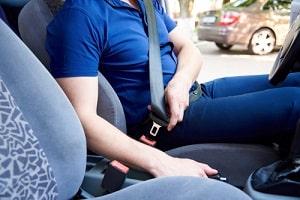
There are a wide variety of risky driving behaviors that can result in car accidents, including speeding, driving under the influence, and distracted driving. In many cases, serious injuries can be avoided by proper seat belt use. According to the National Highway Traffic Safety Administration (NHTSA), wearing a seat belt properly is one of the single most effective things you can do to protect your safety in the event of a crash. A simple act of prevention can go a long way, and seat belts can protect against injuries and may even save a life in an automobile accident. However, serious injuries can occur even when a person is wearing a seat belt, and car accident victims should work with an attorney to determine their legal options for recovering compensation from a driver who was at fault for a collision.
4 Injury Symptoms to Watch for After an Illinois Car Accident
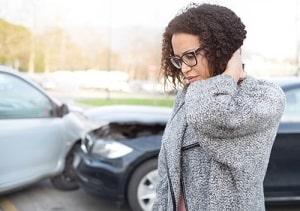
It is all too easy to miss signs of injury in the aftermath of a car accident, as the incident instantly triggers a cloud of confusion, adrenaline, and shock. Whether the collision is a minor fender-bender or a serious head-on crash at an intersection, the experience can have major consequences on a victim’s health and well-being. The human body is a fragile system, and it does not take much for a mild injury to cause significant damage. If you are the victim of a car crash, you may lose your ability to function normally, and in some cases, this can result in life-altering changes to your health.
Symptoms You Should Never Ignore
It is important to take any auto accident injury seriously, since it can have devastating consequences if left untreated. That is why you should see a doctor if you notice any of the following symptoms:
3 Safety Practices to Prevent Motorcycle Collisions and Injuries

Whether you prefer riding your motorcycle in warm, sunny weather, or you ride daily, come rain or shine, you know the risks that come with operating a motorcycle, regardless of the time of year. Doing your best to avoid a motorcycle accident begins with the understanding that operating a bike requires a different skillset and knowledge than the competence needed to drive an automobile. While you certainly cannot control the driving behavior of others around you, there are some safety practices that every motorcyclist can put into action to decrease their chances of accident and injury.
What You Can Do to Protect Yourself
-
Carry the proper license - While it is true that licensing regulations vary for motorcyclists from state to state, a motorcycle license endorsement is required, no matter which state you reside in. A combination of written and riding skills tests must be completed in order to obtain an official license endorsement and demonstrate that you have the necessary experience and knowledge to safely ride a motorcycle. Carrying the proper license may not guarantee your protection from a motorcycle accident and injury, but it definitely increases your chances of being able to ride efficiently and effectively so you are prepared to operate your bike in the safest way possible.
What Should I Do After Being Involved in a Winter Car Accident?
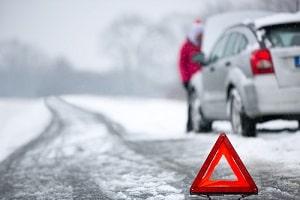
Being a passenger in an automobile accident of any kind is frightening, especially in the moments immediately following the crash. No matter how minor or major the collision, shock and confusion kick in, leaving you wondering if you suffered injuries, who else may be hurt, and what exactly happened that caused the crash in the first place. Motor vehicle collisions can be even scarier during the winter season, as weather conditions can leave you feeling even more vulnerable and unsure of what to do next while you wait on the side of the road for help to arrive.
Tips for Handling a Car Crash in Winter Weather
Whether you are involved in a major pile-up on an icy, treacherous interstate or are the victim of a small fender-bender due to low visibility on a snowy night, here are some tips for what to do immediately following a car accident in inclement weather conditions:
What Are the Most Common Signs and Causes of Aggressive Driving?

The list of behaviors that lead to daily car accident injuries across the United States seems endless. From driving under the influence to distracted driving to driver fatigue, actions that increase the risk of a collision are inherently dangerous, regardless of the circumstances. According to most public safety awareness campaigns and driving instruction courses, the very best piece of advice for reducing the chances of being involved in a car crash is to practice defensive driving. While you cannot control another driver’s actions behind the wheel, you can do your best to protect your own safety by remaining alert and vigilant to all that is happening around you on the roadways.
Recognizing Aggressive Motorists
How you react -- and how you drive -- the moment you spot an aggressive driver may mean the difference between reaching your destination safely or becoming a crash statistic. Some of the most common signs of aggressive driving you should watch out for include:
How to Avoid Car Accidents By Recognizing Signs of Driver Fatigue
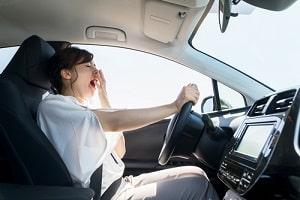
Startling findings from the National Sleep Foundation within the last year show that 60 percent of American drivers have driven while drowsy, and 37 percent have admitted to going as far as falling asleep behind the wheel. The National Safety Council (NSC) has taken this time of year as an opportunity to remind us that driver fatigue is a serious form of impaired driving, and a major cause of car accidents all across the nation, as Drowsy Driving Prevention Week recently took place during the month of November. With the increased amount of travel on the highways during the holidays, now seems a more fitting time than ever to heighten everyone’s awareness of the dangers of driving while sleepy.
How to Spot a Drowsy Driver
You may already be familiar with the telltale signs of driving fatigue, such as “nodding off” or frequent yawning. Constant blinking, disconnected thoughts, or having difficulty remembering the last few miles you drove are other signs that you are too tired to drive. How can you spot drowsy drivers around you, though, and would you be able to recognize the signs? Much like other forms of impaired or distracted driving, driver fatigue often gives off similar warning signs, which all defensive drivers should watch for, including:
How Does Winter Increase the Chances of an Illinois Workplace Injury?

Winter has always been a season that requires extra safety precautions. Record-breaking cold temperatures and massive snowfall accumulations are becoming more and more common. Because of these dangerous conditions, workplace injuries are more likely to occur, and workers’ compensation claims tend to increase during winter months. During cold weather, you can take steps to protect your safety, but if an injury does occur, you should work with an attorney to determine your legal options.
Workplace Injuries Related to Cold Weather
During the winter, there are many different types of workplace injuries that can occur because of cold temperatures and hazardous conditions. In addition to the risks of slip-and-fall injuries due to icy and snowy working conditions, workers are also in danger of the following cold stress injuries:
Red Flags That Suggest You May Be a Victim of Medical Malpractice

Past studies reported by Forbes have estimated that 12 million Americans are misdiagnosed by health professionals each year, which makes up 5 percent of all patients who seek out doctors for answers to their health concerns. Considered by many experts to be an epidemic, the issue of medical malpractice takes many different forms, from medication and pharmaceutical errors to surgical, emergency room, and birth injury errors. Frightening accounts of medical malpractice cases are regularly amplified in the media and talked about in our communities, but many patients are still unsure of how to protect themselves and their families as they turn to their physicians for help. It is one thing to hear of someone else’s experience with a medical error, but it becomes an entirely different matter when it happens to you.
4 Defensive Driving Techniques that Reduce Car Accident Risk
The National Safety Council (NSC) reports that motor vehicle collisions are the leading cause of fatality in the workplace, and research according to the Centers for Disease Control and Prevention (CDC) shows that more than 32,000 people are killed each year due to car accidents across our highways nationwide. When it comes to non-fatal injuries due to vehicle collisions, the statistics are just as grim. The CDC reports that a staggering 2 million people are injured each year in car crashes in the United States alone. With numbers like these, drivers everywhere are in continual need of ongoing safety awareness and education. While prevention efforts are not enough on their own to put a stop to unnecessary collisions, they are key to saving lives, and they have been proven effective at significantly lowering injuries and accident risks, in general, each year.














Contact Our Firm
 The use of the Internet or this form for communication with the firm or any individual member of the firm does not establish an attorney-client relationship. Confidential or time-sensitive information should not be sent through this form.
I have read and understand the Disclaimer and Privacy Policy.